Organic vs Conventional: What to Know When Choosing a Mattress Material
A clear, non-commercial comparison of organic and conventional mattress materials, focusing on durability, safety, and care. This guide helps readers understand trade-offs to make an informed purchase aligned with budget and health priorities.
The choice of mattress materials is more than a matter of feel or price. It is a statement about sustainability, health, and long-term comfort. In today’s market, shoppers encounter a spectrum of options—from organic latex and GOTS-certified cotton to conventional foams and blends. Understanding how these materials differ in composition, certification, care, and performance can empower a buyer to select a mattress that aligns with personal values and sleep needs.
To navigate this terrain, it helps to frame the discussion around a few core lenses: durability, safety, environmental impact, care requirements, and sleep performance. This article adopts a non-commercial lens, emphasizing evidence-based considerations, standardized certifications, and practical guidance for evaluating product claims. We will explore common mattress fills—organic latex, cotton, wool, and conventional equivalents—along with the certifications that signal quality and safety in the industry.
What counts as “organic” in mattresses?
In mattresses, “organic” typically signals materials that have been grown or processed according to agricultural and manufacturing standards designed to reduce synthetic inputs, avoid toxic chemicals, and support environmental stewardship. The most frequently cited certifications include:
- GOTS (Global Organic Textile Standard) for textiles made with organic fibers, ensuring organic content, ecological and social criteria, and processing integrity.
- GOLS (Global Organic Latex Standard) for organic latex, covering sourcing of latex, mixed content controls, and processing practices to minimize chemical use.
- Made Safe or equivalent safety-focused certifications that assess chemical exposure and the presence of potentially harmful substances in consumer products.
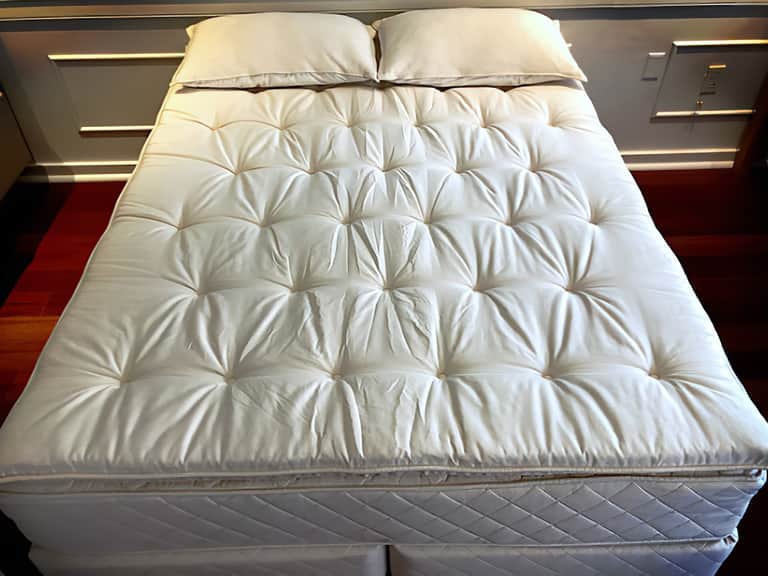
Organic materials in mattresses commonly include Dunlop or Talalay latex derived from organically grown rubber trees, GOTS-certified organic cotton for fabric or batting, and organic wool used for temperature regulation and moisture management. When these components are paired in a mattress, the overall product is positioned as more natural, potentially lower in volatile organic compounds (VOCs), and more aligned with environmentally conscious sleep practices.
Durability and performance: how materials hold up over time
Durability is a central criterion when comparing organic and conventional mattress materials. A mattress’s longevity depends on the resilience of its core materials, the fit of its construction, and how well the design maintains comfort across years of use. Key points include:
- Latex (organic or otherwise) is renowned for durability and long-term shape retention. Natural Talalay latex, in particular, offers a combination of buoyant cushioning and perceptible resilience that tends to resist sagging over time. Organic latex cores—whether Dunlop or Talalay—are favored by many sleepers seeking a long-lasting surface with consistent support.
- Cotton, wool, and other natural fibers used in padding or covers contribute to breathability and temperature regulation, but their durability depends on weave, density, and fill weight. Heavier, denser natural fibers can maintain loft longer, while lighter constructs may compress more quickly under daily use.
- Conventional foams and synthetics, including polyurethanes and memory foams, often provide strong initial comfort but can exhibit compression set and slower evaporation of heat over time. The performance of these materials is influenced by density, layering, and edge support design.
- Hybrid configurations—combining latex, springs, and synthetic foams—offer a balance of contouring and support but require careful quality control to preserve durability across components exposed to different wear patterns.
To assess durability in a real-world sense, readers should look for:
- Clear material disclosures and third-party certifications for each component.
- Density and thickness data for foam layers, and the thickness of latex or wool padding.
- Warranties that cover sag and deformation, indicating the manufacturer’s confidence in long-term performance.
- Independent durability testing or long-term studies cited by the brand or retailer.
Genuinely organic materials are more than a marketing label; they carry a framework of standards designed to maintain performance while staying faithful to their ecological commitments. When durability is a priority, a mattress built with high-quality organic latex, robust organic cotton covers, and well-engineered support layers often proves a compelling choice for those who sleep soundly with minimal fluctuations in feel over many years.
Safety, chemistry, and the measurement of comfort
For many buyers, safety translates into chemical exposure, VOCs, and the absence of flame retardants or other additives. Organic materials are commonly pursued to minimize potential chemical off-gassing, particularly in sensitive sleepers or households with chemical sensitivities. Certifications such as GOTS for textiles and Made Safe for product composition are signals that a product has undergone testing and supply-chain controls to minimize potentially harmful substances.
Comfort, meanwhile, is a subjective, multi-factor experience shaped by the mattress’s surface feel, temperature regulation, and support profile. Organic latex typically delivers a distinctive buoyant feel with strong pressure relief, which some sleepers equate with better spinal alignment and reduced partner disturbance. Wool offers excellent moisture-wicking properties that contribute to a cooler night for many, while organic cotton helps maintain a breathable, soft-touch surface that ages gracefully with wear.
Conventional materials, while often less pricey upfront, can vary significantly in chemical content depending on the manufacturer’s formulations. A consumer’s due diligence—reading ingredient lists, understanding fill weights, and verifying certifications—remains essential for a transparent assessment of safety and comfort trade-offs.
Care and maintenance: extending mattress life with organic materials
Care practices contribute significantly to how long a mattress made with organic materials retains its comfort and hygienic profile. Typical care guidelines include:
- Regular rotation and, where appropriate, flipping to ensure even wear on every layer.
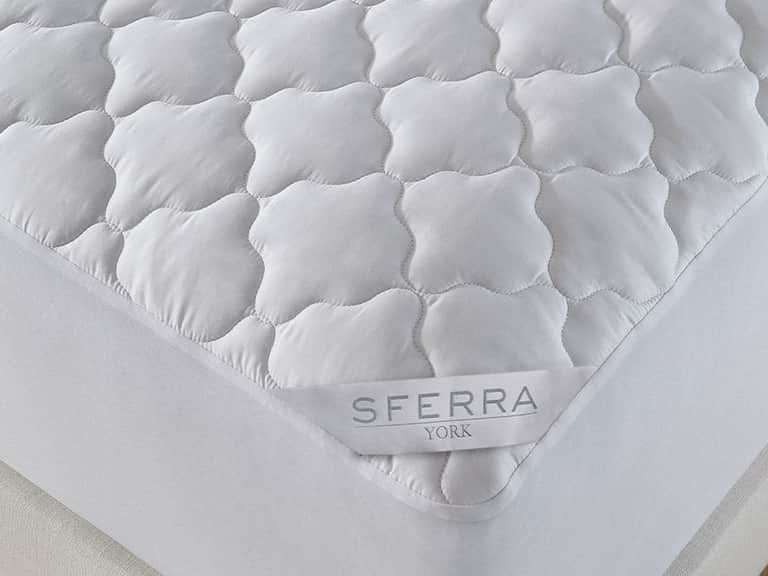
- Using a breathable, moisture-wicking mattress protector, ideally with organic materials, to reduce staining and moisture ingress.
- Following washing instructions for fabric components—organic cotton covers and wool components may have specific care requirements.
- Avoiding harsh chemical cleaners on exposed textiles to preserve the integrity of organic fibers.
Organic materials often reward careful maintenance with longer loft retention and better-temperature moderation over time. The combination of organic latex’s resilience, wool’s moisture management, and a well-constructed cotton cover can yield a surface that remains comfortable and clean for many years with appropriate care.
Certifications and what they really tell you
In evaluating mattress claims, certifications serve as independent signals of compliance with defined standards. While no single certification guarantees perfection, a robust combination of assurances improves confidence in a product’s integrity. Core certifications include:
- GOTS for organic textiles, emphasizing organic fiber content, chemical restrictions, and social criteria in processing and manufacturing.
- GOLS for organic latex, verifying the organic origin of latex and responsible processing methods along the supply chain.
- Made Safe or similar safety-focused qualifications assessing chemical exposure risk and consumer safety in product components.
- Additional regional or brand-specific certifications may exist, and some brands publish their own internal testing data to supplement third-party validations.
Readers should look for explicit statements about which components are certified (e.g., latex cores, cotton covers) and whether the entire mattress is certified or only specific layers. A mattress with multiple certified components can offer a coherent narrative of safety and quality, even if individual layers are sourced from different suppliers.
Evaluating claims: a practical framework
Given the variety of marketing claims, a practical framework helps separate marketing from measurable quality. Consider the following approach:
- Identify the core materials in the mattress (foam, latex, cotton, wool, springs) and determine which are organic or certified.
- Check for third-party certifications for each component and verify their scope (textiles, latex, overall product).
- Seek transparent specifics: layer thicknesses, material densities, and overall weight distribution.
- Understand care requirements and warranty terms, especially how they relate to organic materials that may have different care needs.
- Compare similar models side by side to assess trade-offs in comfort, temperature regulation, and support.
Across the market, the strongest organic mattresses present a coherent story: organic materials with verifiable certifications, a well-engineered support system, and a transparent disclosure of components and care instructions. The consumer who asks pointed questions—about material sourcing, certifications, and long-term performance—will be better positioned to identify a mattress that aligns with health priorities, sleep style, and budget realities.
A note on cost and accessibility
Organic materials can fetch premium prices relative to conventional options. However, the price gap is not universal; it depends on the level of organic content, the complexity of the design, and the brand’s approach to manufacturing efficiency. For some buyers, investing in a mattress with a robust organic latex core, GOTS-certified cotton, and natural wool layers offers not only potential health benefits but also a longer life span and lower replacement frequency, which can offset higher upfront costs over time.
For readers prioritizing accessibility, the comparison should focus on the concepts that matter most: durability, safety, and care. Even within a limited budget, it is possible to find products that meet essential safety standards and deliver reliable comfort, especially when the materials list is transparent and certifications are clearly stated.
Putting it all together: choosing what’s right for you
Ultimately, the decision between organic and conventional mattress materials rests on personal values and practical considerations. If health considerations, chemical exposure, and environmental impact weigh heavily, organic materials with credible certifications offer a compelling narrative and performance profile. If budget constraints are paramount, a careful evaluation of the most durable conventional options, paired with reliable care practices, can still yield a comfortable and satisfying sleep experience.
For readers seeking a non-commercial, educational understanding, the strongest strategy is to anchor decisions in transparent disclosures, verify independent certifications, and assess real-world durability and comfort through trial periods and documented warranty terms. This approach aligns with a thoughtful, evidence-based mindset—an essential stance in a marketplace rich with marketing messages and product complexity.
Selected product reference (relevant to organic comfort):
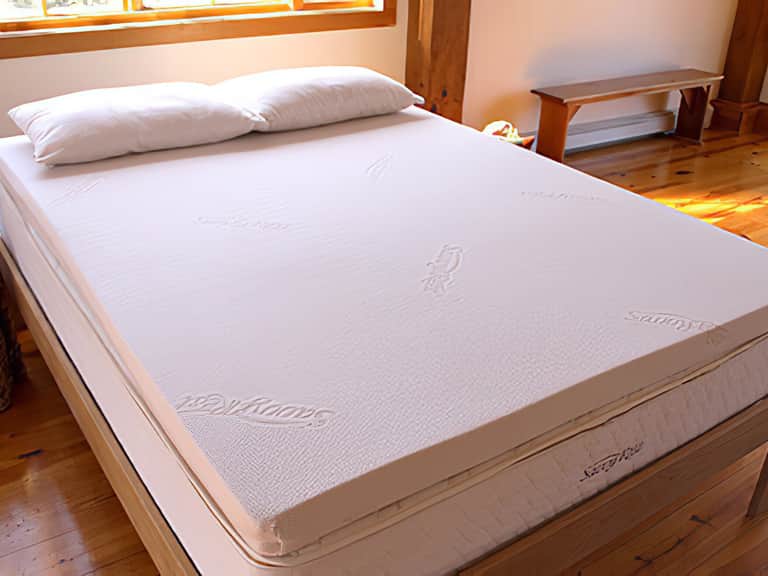
- Savvy Rest Vitality Latex Mattress Topper — A 3-inch natural Talalay latex layer encased in certified organic cotton stretch-knit, designed to add cushioning and pressure relief without chemicals. This topper illustrates how organic materials can transform a firmness profile without introducing synthetic additives.
Published on: 2026-09-30
Note: This article emphasizes educational, non-commercial guidance. For readers who want to explore real product examples, we reference materials that fit the organic safety and certification framework, while avoiding direct sales pitches or affiliate-driven content.